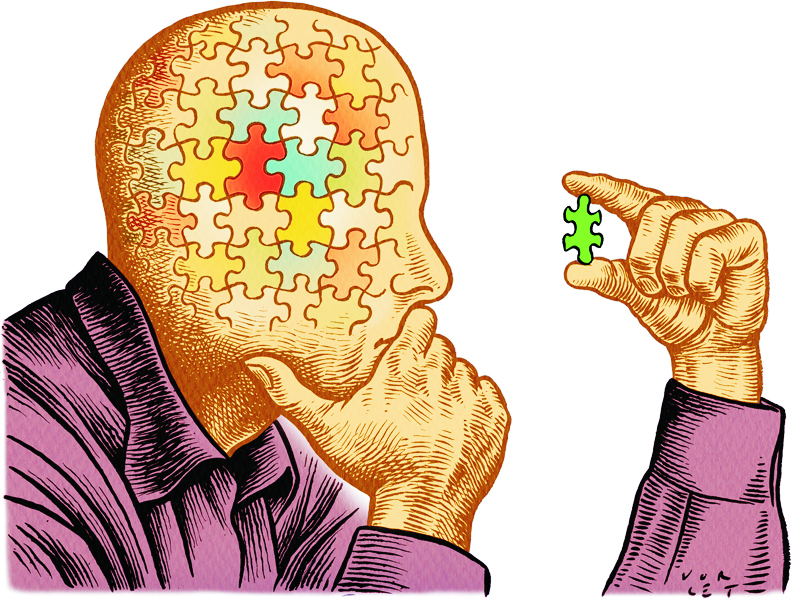
In an era dominated by information overload and rapid technological advancement, critical thinking has emerged as an essential skill for students. It goes beyond rote memorization and encourages deeper understanding and analysis. Here’s why critical thinking is crucial in education:
Enhancing Problem-Solving Skills
Critical thinking enables students to approach problems methodically. Instead of relying on memorized solutions, they learn to analyze the problem, consider various perspectives, and develop innovative solutions. This skill is invaluable not only in academics but also in everyday life.
Encouraging Independent Learning
Students with strong critical thinking skills are more likely to become independent learners. They are curious and motivated to seek out information, ask questions, and explore new ideas. This autonomy fosters a lifelong love of learning and adaptability in the face of new challenges.
Promoting Effective Communication
Critical thinking involves clear and logical thinking, which directly impacts communication skills. Students learn to articulate their thoughts coherently, present well-reasoned arguments, and listen to others’ viewpoints critically. These skills are essential for effective participation in discussions, debates, and collaborative projects.
Cultivating Open-Mindedness
An essential aspect of critical thinking is the willingness to consider different perspectives. Students learn to evaluate evidence, recognize biases, and remain open to new ideas. This open-mindedness is crucial in a diverse and interconnected world, promoting empathy and understanding.
Improving Academic Performance
Critical thinking contributes to better academic performance. Students who think critically can understand complex concepts, engage in higher-order thinking, and apply their knowledge to new situations. This depth of understanding often translates to higher grades and academic achievements.
Supporting Personal Development
Critical thinking skills are not limited to academic success; they also support personal growth. Students learn to make informed decisions, solve personal problems, and navigate life’s challenges with a rational and reflective approach. This leads to greater confidence and self-efficacy.
Preparing for Future Careers
In the workforce, critical thinking is a highly sought-after skill. Employers value individuals who can analyze situations, make sound decisions, and solve problems efficiently. By developing critical thinking skills, students are better prepared for the demands and complexities of modern careers.
Encouraging Responsible Citizenship
Critical thinking fosters informed and responsible citizenship. Students learn to evaluate information critically, understand societal issues, and participate in civic life thoughtfully. This helps them become engaged and responsible members of their communities and the broader society.
Conclusion
Critical thinking is an indispensable component of education that prepares students for academic success, personal development, and future career challenges. By fostering analytical and reflective thinking, educators can help students navigate a complex world with confidence and insight. Encouraging critical thinking in the classroom is essential for developing well-rounded, capable, and thoughtful individuals.